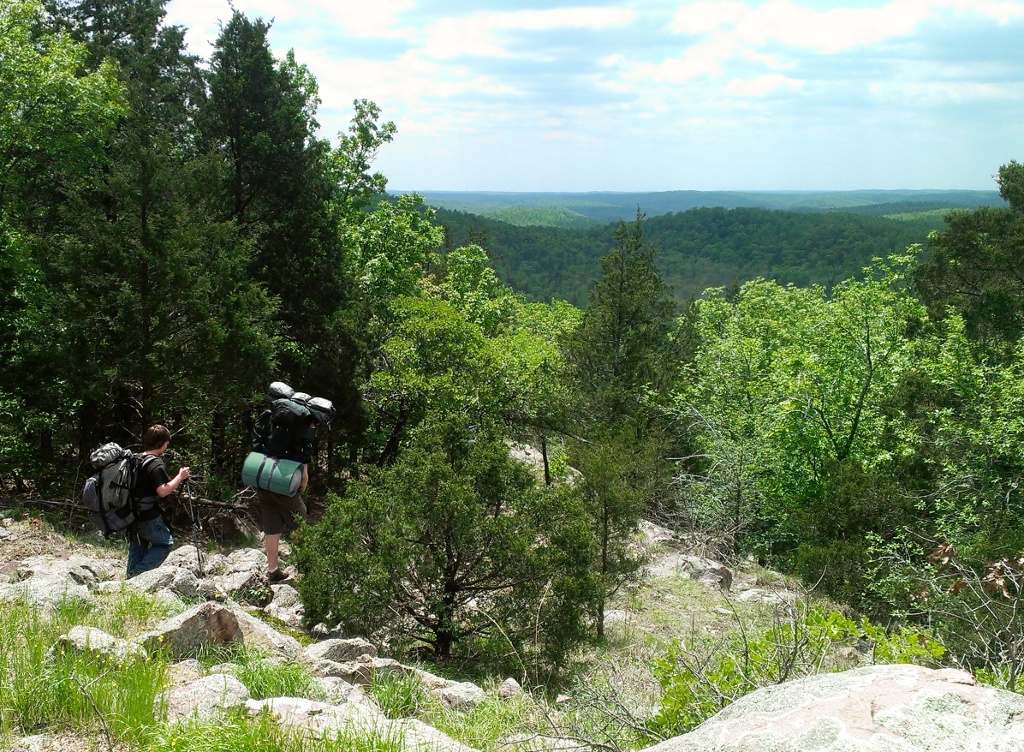
The Ozark Trail: Missouri's Epic Journey for Hikers and Backpackers
For enthusiasts of long-distance trekking and immersive wilderness experiences, the Ozark Trail in Missouri stands as a beacon of adventure. Winding through the rugged beauty of the Ozark Mountains, this ambitious trail offers a diverse landscape, rich history, and a challenging yet rewarding journey for every
Ozark Trail Hiker. Far from just a path through the woods, it's a testament to community vision and a gateway to exploring the heart of the Show-Me State's natural wonders. Whether you're planning a short day hike or a multi-day backpacking expedition, the Ozark Trail promises an unforgettable escape into Missouri's wild side.
A Trail Forged by Vision: The Ozark Trail's History and Ambitious Future
The very concept of the Ozark Trail emerged from a powerful collective vision in the 1970s. Public land managers, landowners, and avid trail users recognized a significant need for expansive hiking opportunities within Missouri. A comprehensive state outdoor recreation plan in 1975 underscored this need, estimating a requirement for an additional 500 to 900 miles of hiking trails. The audacious idea was born: a continuous trail spanning the Ozarks, stretching from the suburban fringes of St. Louis southwestward all the way to Arkansas.
Initial explorations revealed that such a route could predominantly utilize existing public lands, minimizing the complex process of acquiring private rights-of-way. This pragmatic approach laid the groundwork for rapid progress. A pivotal meeting in 1976 at Meramec State Park sparked the creation of the trail's first draft proposal in February 1977, and by 1981, the pioneering sections of the Ozark Trail were already under construction.
Guiding this monumental effort is the Ozark Trail Council, a unique decentralized consortium of governmental agencies – including the United States Forest Service, Missouri State Parks Department, and Missouri Conservation Commission – alongside various environmental groups and even a key private landowner. This collaborative structure, where each land manager oversees the trail within their holdings, has been instrumental in the trail's accelerated development. The first decade saw an impressive 170 miles completed, with over 200 miles by 1991, showcasing the power of shared purpose. The ultimate vision remains to connect the Ozark Trail with Arkansas's esteemed Ozark Highlands Trail, creating an epic end-to-end hiking distance of at least 700 miles, not even counting the extensive loop through Missouri's scenic St. Francois Mountains. This ambitious goal continues to inspire every dedicated
Ozark Trail Hiker.
Navigating the Ozark Trail: Sections, Lengths, and Continuous Stretches for the Ozark Trail Hiker
As of its continued development, the Ozark Trail offers an impressive network of paths for adventurers. While the exact final length is yet to be determined, with routes for incomplete sections still being established, over 350 miles of the trail were completed by 2008, with an estimated final length of at least 500 miles within Missouri alone. For the dedicated
Ozark Trail Hiker, this means a vast and evolving landscape to explore.
The trail is currently composed of thirteen distinct sections, varying in length from a manageable 8 miles to a challenging 40 miles. While many of these sections are interconnected, some gaps still exist, presenting an exciting challenge for future completion. For those seeking a truly immersive long-distance experience, the crown jewel for any
Ozark Trail Hiker is the longest continuous stretch, measuring an impressive 225 miles. This substantial segment runs from Onondaga Cave State Park all the way to the serene Eleven Point River, offering weeks of uninterrupted backpacking through some of Missouri's most pristine wilderness. This epic journey through diverse landscapes is a highlight for many. For a detailed guide on this incredible section, explore our related article:
Hike the Ozark Trail: Explore Missouri's 225-Mile Continuous Stretch.
It’s important for every hiker to be aware that certain sections of the trail may have specific restrictions on use. These limitations are put in place to ensure compatibility with the goals of various public and private landholders and to protect environmentally sensitive areas. For example, horseback riding, mountain biking, or even trailside camping may be restricted in particular zones. Always consult up-to-date information before heading out. To learn more about these important considerations, be sure to read:
Planning Your Ozark Trail Hike: Sections, Restrictions, and History.
The Unforgettable Ozark Trail Hiker Experience: What Awaits You
Stepping onto the Ozark Trail is an invitation to immerse yourself in the natural grandeur of Missouri. The landscape is characterized by its dramatic beauty: towering limestone bluffs overlooking crystal-clear rivers, dense deciduous forests bursting with color in spring and fall, and hidden cave systems waiting to be discovered. An
Ozark Trail Hiker can expect to traverse varied terrain, from gently rolling hills to steeper climbs, offering a rewarding challenge that suits a range of fitness levels.
*
Diverse Ecosystems: The trail guides you through a mosaic of ecosystems. Expect to pass through ancient oak and hickory forests, glades with unique flora, and along the banks of numerous rivers and spring-fed streams. This biodiversity makes every hike a journey of discovery.
*
Water Features: Water is a defining characteristic of the Ozarks. Hikers will encounter abundant springs, cascading waterfalls after rainfall, and opportunities to walk alongside iconic rivers like the Current and Eleven Point. These often provide critical water sources (though always filter or treat) and stunning scenic backdrops.
*
Wildlife Encounters: The Ozarks are home to a rich array of wildlife. Keep an eye out for white-tailed deer, wild turkeys, and a variety of bird species. If you're lucky, you might even spot a bobcat or a black bear, though these are more reclusive. Remember to practice Leave No Trace principles to minimize your impact on these wild inhabitants.
*
Solitude and Serenity: While popular sections can see steady traffic, much of the Ozark Trail offers profound solitude. This makes it an ideal destination for those seeking a tranquil escape from the hustle and bustle of daily life, allowing for deep connection with nature.
*
Seasonal Beauty: The trail transforms with the seasons. Spring brings an explosion of wildflowers and vibrant green foliage, while autumn paints the landscape in breathtaking hues of red, orange, and gold. Summer can be hot and humid, but also offers lush greenery and refreshing dips in cool streams. Winter, with its stark beauty, provides a unique, quiet hiking experience for the well-prepared
Ozark Trail Hiker.
Planning Your Adventure: Essential Tips for Every Ozark Trail Hiker
Embarking on an Ozark Trail adventure requires thoughtful preparation to ensure a safe and enjoyable experience. Here are some essential tips for every
Ozark Trail Hiker:
1.
Map and Navigation: Do not rely solely on phone GPS. Carry physical maps and a compass, and know how to use them. The Ozark Trail Association offers excellent maps, and various apps can supplement your navigation. Download offline maps as cell service is often nonexistent.
2.
Water Strategy: Water sources are generally plentiful, but they need to be filtered or treated. Plan your water carries, especially in drier seasons or longer stretches between reliable sources. Always carry more water than you think you'll need.
3.
Gear Essentials: Pack appropriate gear for the season, including sturdy hiking boots, layers of clothing, rain gear, a first-aid kit, and enough food for your trip. For backpackers, a lightweight tent, sleeping bag, and cooking system are vital.
4.
Leave No Trace: Adhere strictly to the seven principles of Leave No Trace. Pack out everything you pack in, stay on marked trails, properly dispose of human waste, and respect wildlife. This ensures the trail remains pristine for future generations of hikers.
5.
Physical Preparation: The Ozark Trail, especially longer sections, can be physically demanding. Train adequately before your hike, focusing on strength, endurance, and balance.
6.
Inform Someone: Always let someone know your itinerary, including your planned route, start and end points, and estimated return time.
7.
Check Conditions: Before you head out, check weather forecasts, trail conditions (especially after heavy rains which can cause flooding or muddy trails), and any specific alerts or closures for the section you plan to hike. The Ozark Trail Association website is an invaluable resource.
Conclusion
The Ozark Trail is more than just a hiking path; it's a living project, a testament to community spirit, and an unparalleled opportunity for exploration in the heart of Missouri. From its visionary beginnings in the 1970s to its current impressive length and ambitious future, it continually offers new challenges and rewards for the dedicated
Ozark Trail Hiker. Whether you seek the solitude of a multi-day backpacking trip through its 225-mile continuous stretch or a refreshing day hike amidst its diverse sections, the Ozark Trail promises an authentic connection with nature. Pack your bags, lace up your boots, and prepare to discover the epic journey that awaits you on the Ozark Trail.